

Development within the domain of UNESCO – Metro Systems in Historic Cities
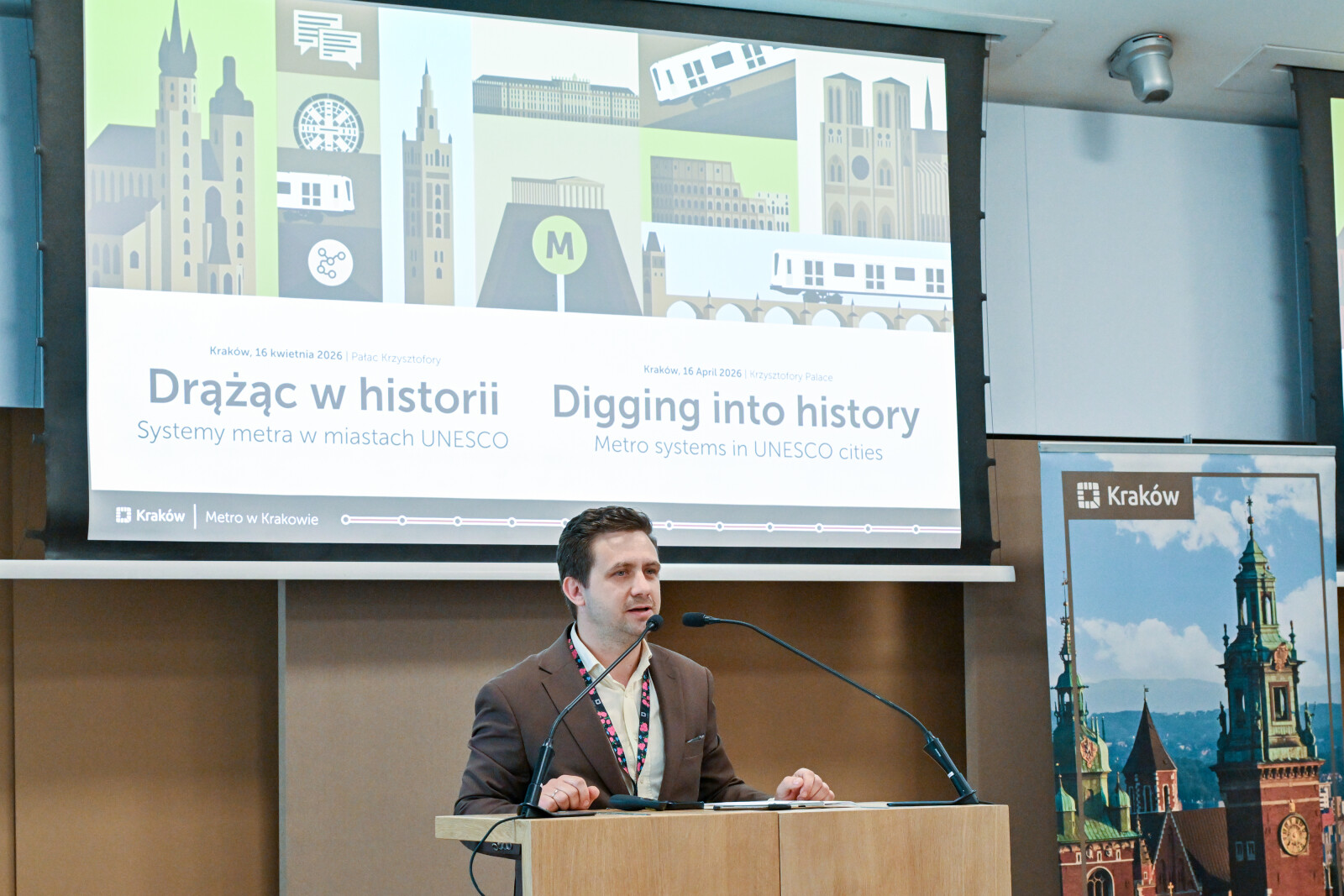
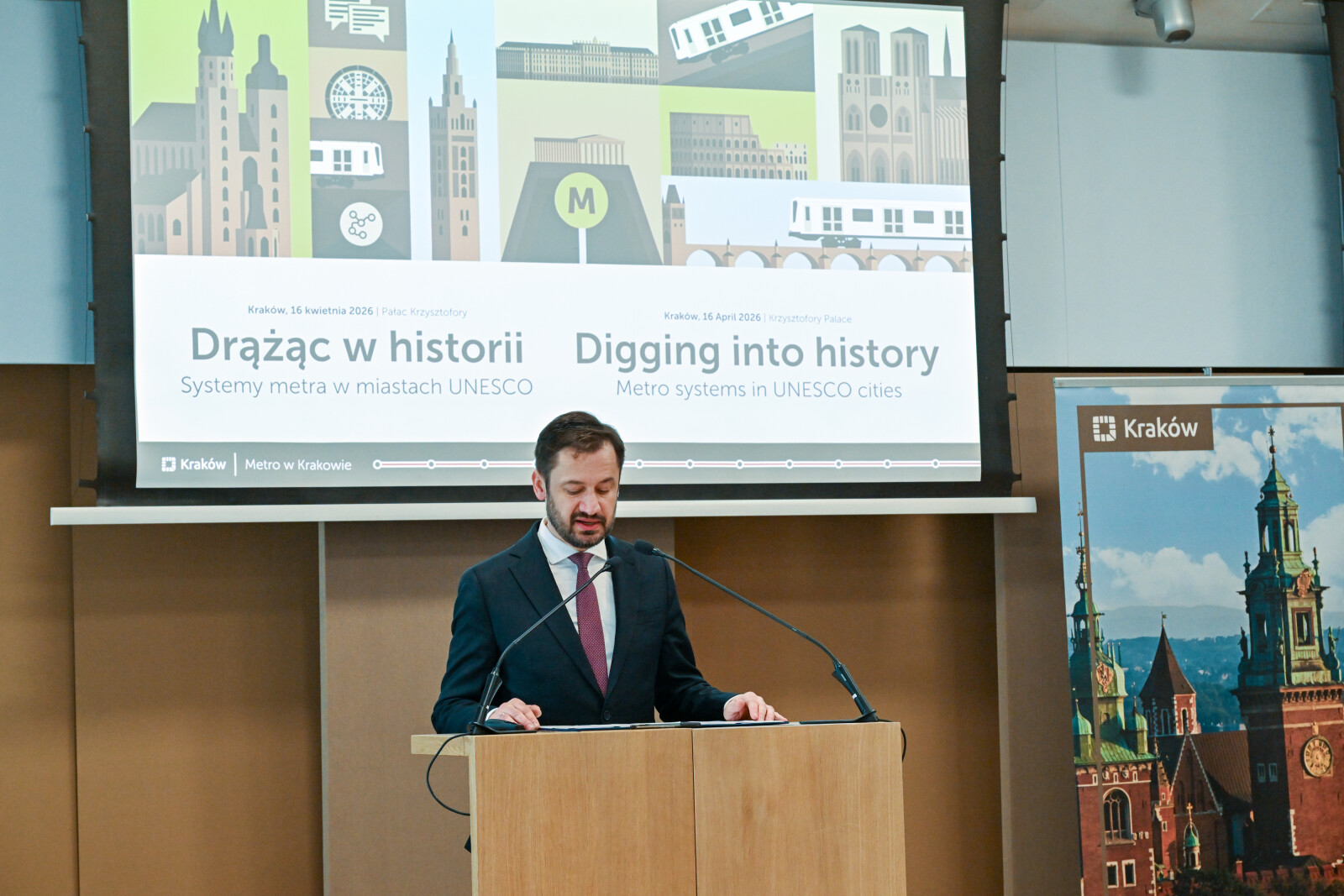
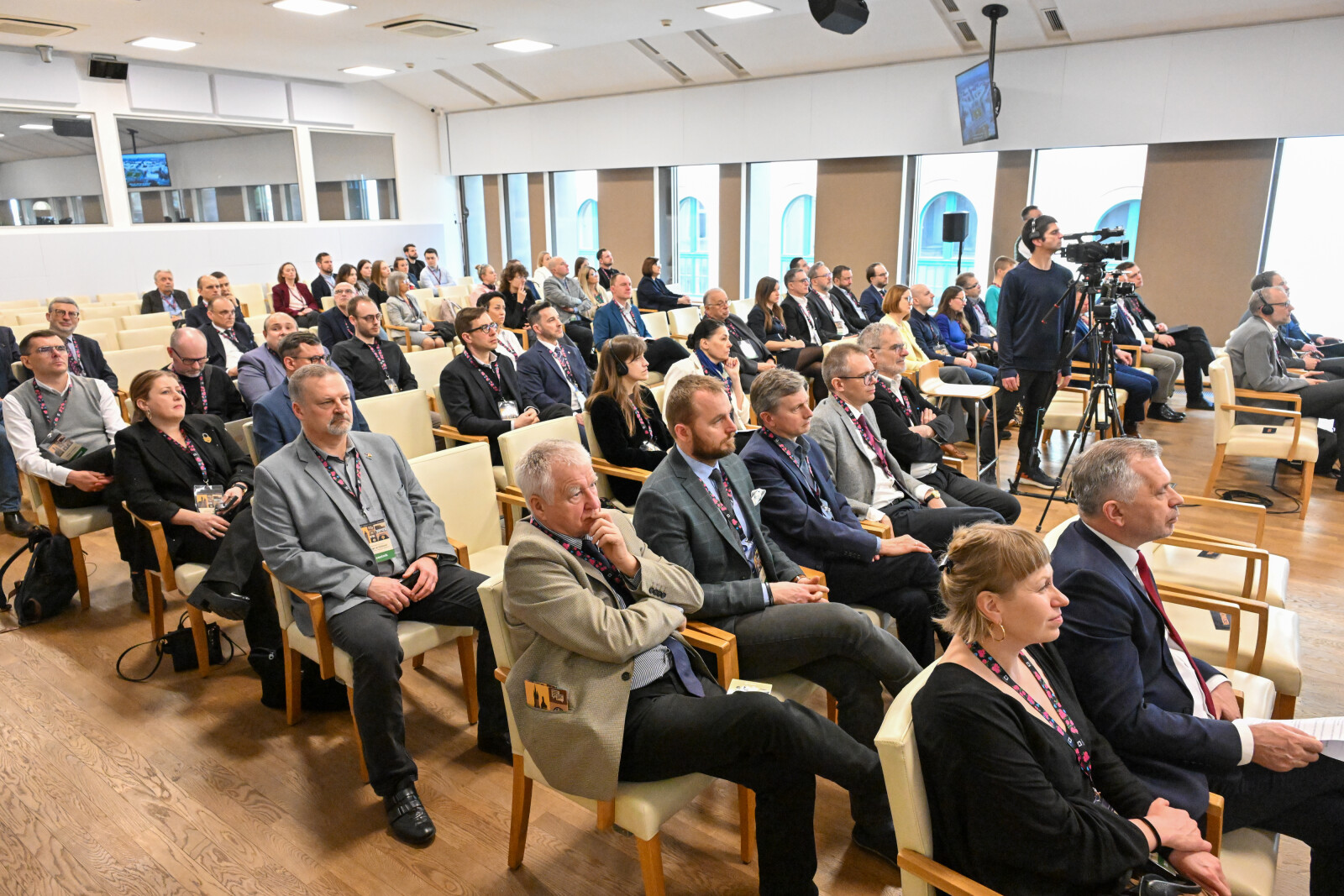
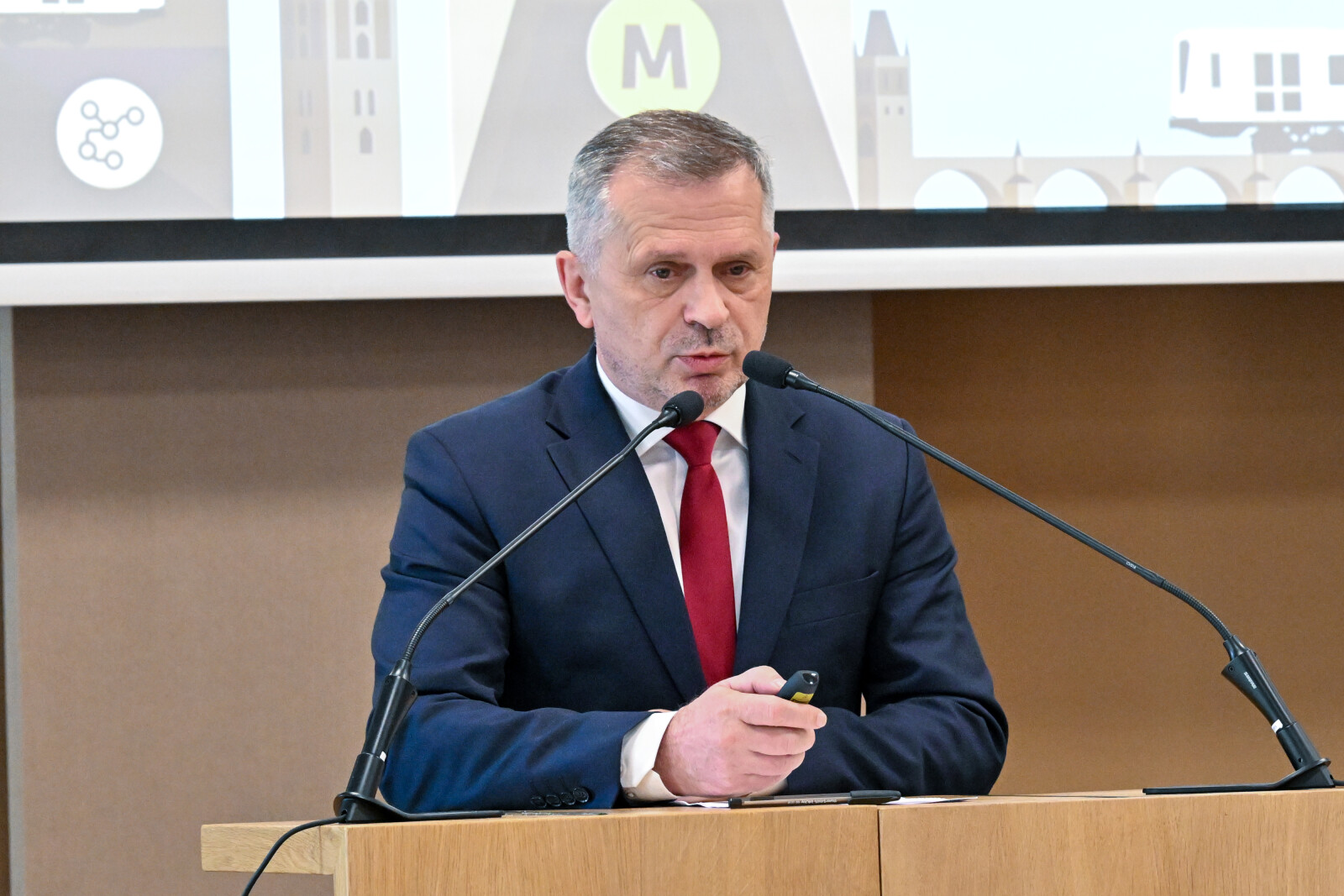
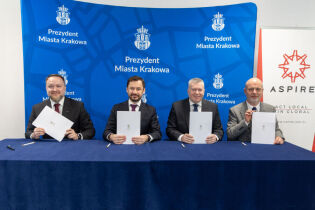
On 16 April, a seminar entitled ‘Digging into History: Metro Systems in UNESCO Cities’ was held at the Krzysztofory Palace in Kraków, focusing on the challenges associated with the development of transport infrastructure in cities with exceptional cultural heritage.
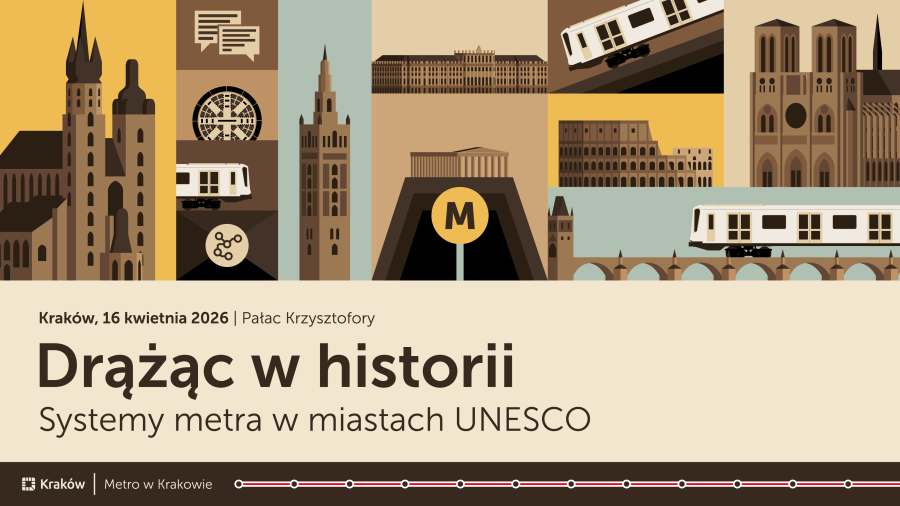
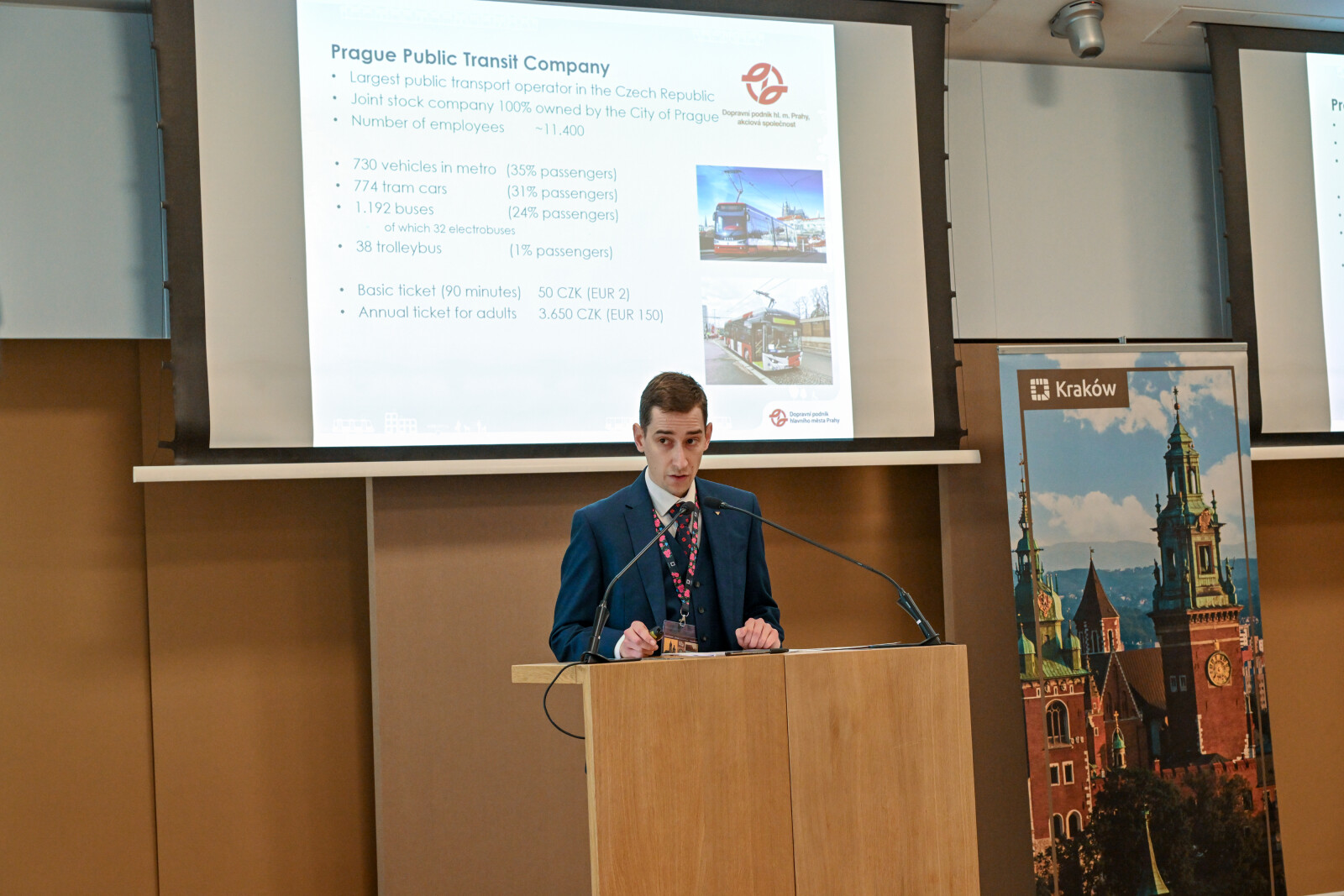
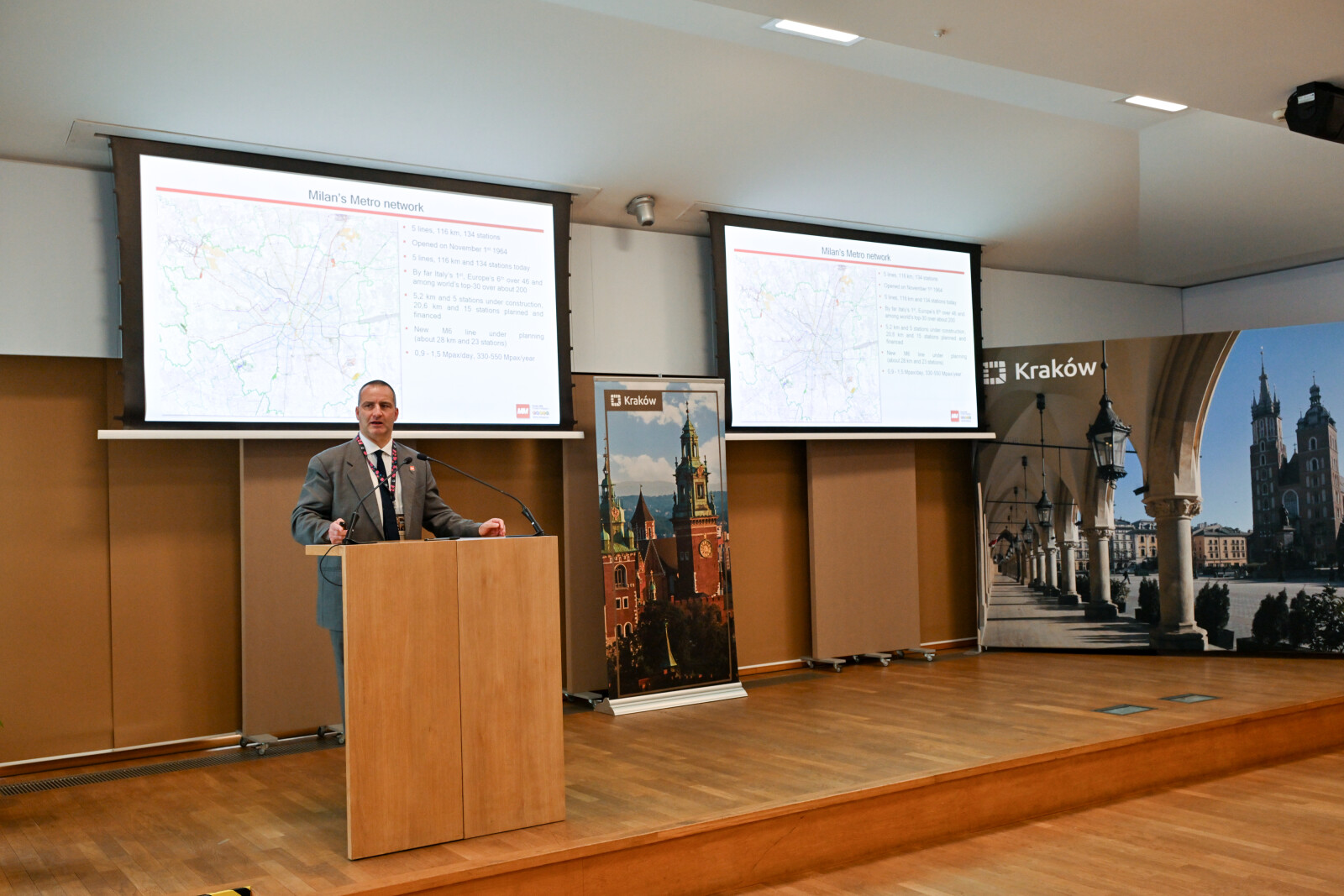
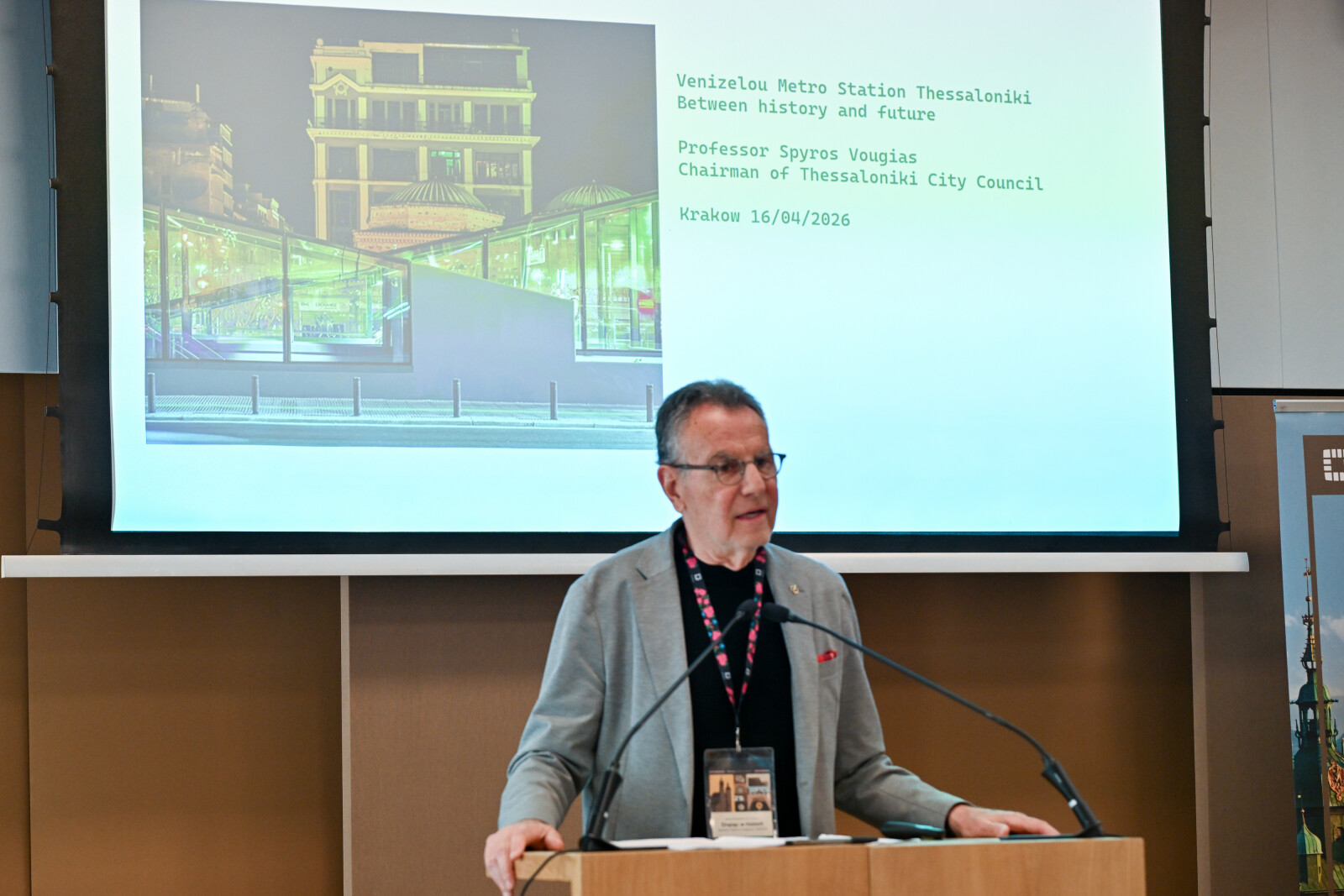
The event was attended by Polish and international experts from Vienna, Milan, Thessaloniki and Prague, who shared their experiences of building and operating metro systems within the historic urban spaces of their cities.
In his opening address, the Mayor of Kraków emphasised that the decision to build a metro in Kraków is not merely a choice of transport mode or an infrastructure investment, but the realisation of a vision requiring both courage and immense responsibility, as it will bring about many changes in the city. It is not just another necessary means of transport for residents, but also a catalyst for development. In today’s reality, a well-prepared decision to undertake such a complex, costly and long-term investment is regarded as evidence of foresight and strategic thinking about the city’s development. Mayor Aleksander Miszalski stated that, consequently, the current debate in Kraków is no longer about whether a metro should be built here, but how to carry out this project in a way that complies with the highest standards of heritage protection. . Examples from cities that have built metro systems, along with detailed information on the technologies and strategies involved, show that this is not only possible but also offers an opportunity to enrich public spaces and provide them with additional functions – not just transport-related ones. Well-designed projects not only pose no threat to heritage but can actually strengthen it and imbue it with new meanings. When analysing technological potential, alongside UNESCO guidelines and reports assessing a city’s investment activities in UNESCO areas, it must be concluded that the threat to heritage arises at ground level, not below it, where tunnels for underground railways are being excavated at a depth of 15–20 metres.
Inclusion on the UNESCO list is not only a mark of prestige, but also a commitment – not to ‘preserve’ the city in its current form, but to adapt it wisely and responsibly. Cultural heritage should not be treated solely as something that require just a protection, but also as a resource that should be developed creatively.